Framed Prints
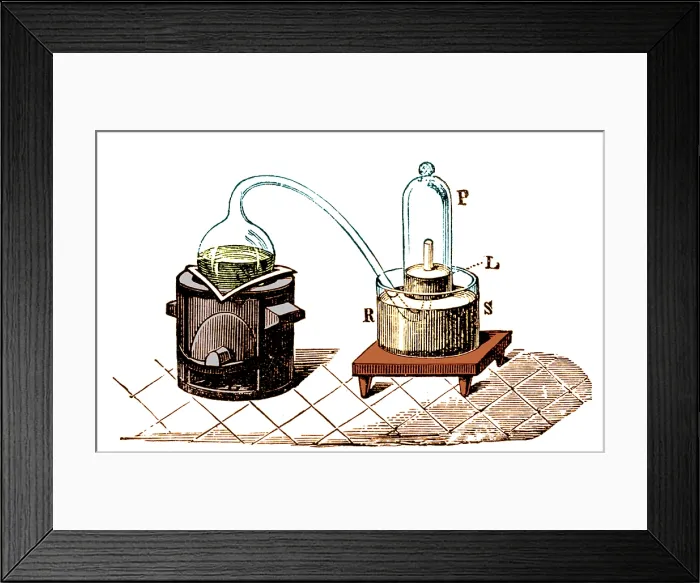
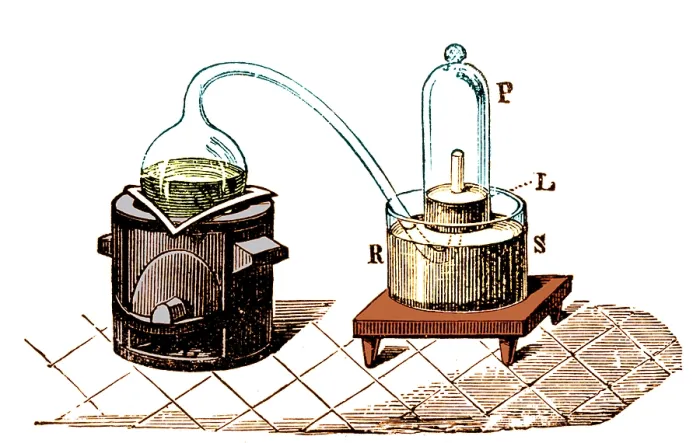
Framed Print of Lavoisier's Apparatus to Study Air Composition
Illustration from an 1892 Chemistry book for Lavoisier's apparatus for determining the composition of air. Base of retort sits on a small furnace; open end passes into a container of liquid and is turned upwards, being covered by a bell jar. Lavoisier heated a small amount of mercury over a coal oven in a retort. The mouth of the retort was inserted in a bell-jar placed in a trough filled with mercury. The heating was continued for several days. After the first few days, he observed a reddish power on the surface of mercury in the retort. These changes continued for 12 days after which, formation of reddish powder stopped and no further increase was noticed in the level of mercury in the bell-jar. Lavoisier noticed that the rise in the level of mercury in the ball-jar was one-fifth of the capacity of the bell-jar. He found that the residual gas in the bell-jar was unfit for breathing and could not support combustion. This was later called nitrogen. Lavoisier collected the reddish powder and heated it strongly. He obtained a shiny, metallic metal (mercury) and a colorless, odorless gas which supported combustion. The volume of the gas was found to be equal to the increase in the volume of mercury in the bell-jar. This gas was named oxygen. When Lavoisier mixed oxygen and nitrogen, he obtained air. He thus concluded that air is made of two gases-nitrogen and oxygen which formed four-fifth and one-fifths part of air respectively. © Science Source
Your chosen combination is quickly and professionally made to order, our shipping page has more details
If you are not entirely happy with your items, simply return them to us within 30 days for a replacement or full refund. Please read our full returns policy.
Media ID 47362154
18th Antoine Chemical Chemicals Chemistry Composition Eighteenth Equipment Experiment Experiments Gases Gasses Lavoisier Nitrogen Oxygen Quantitative Study
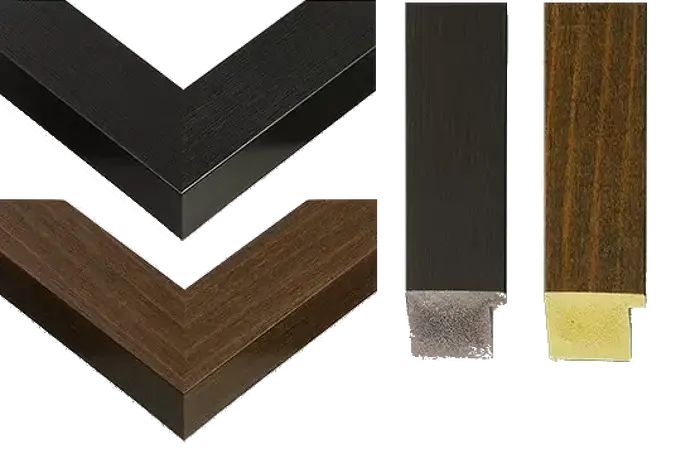
Modern Frame 14"x12" (36x31cm)
Ready to Hang Contemporary Framed Prints adds style, protection, and a polished touch to your space - effortlessly.
Your artwork will be printed as shown in the preview. To adjust please select Edit Printed Image under the Buy button
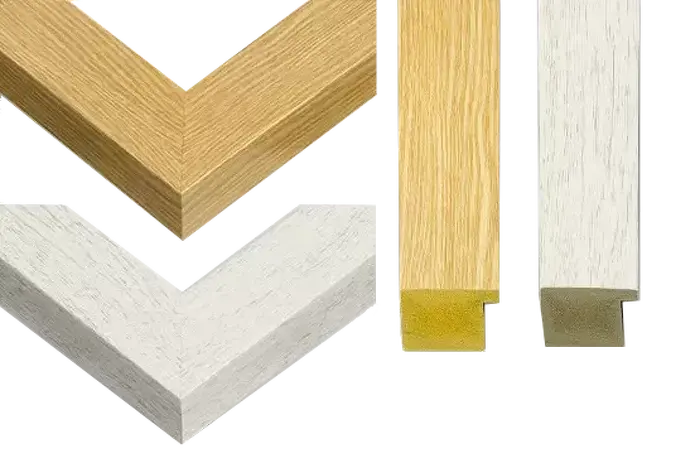
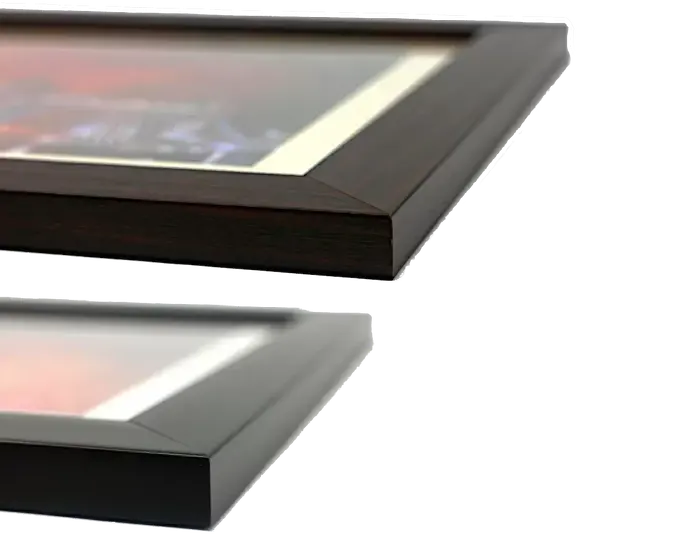
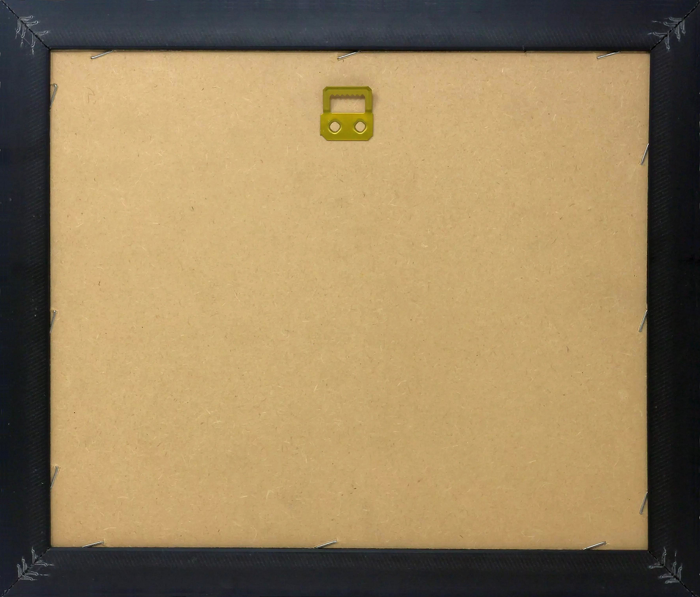
Wood effect frame, card mounted, 10x8 fade resistant photo print. Overall outside dimensions 14x12 inches (36x31cm). Environmentally and ozone friendly, 40mm wide x 15mm Polycore® moulding has the look of real wood, is durable and light and easy to hang. Biodegradable and made with non-chlorinated gases (no toxic fumes) it is efficient; producing 100 tons of polystyrene can save 300 tons of trees! Prints are glazed with lightweight, shatterproof, optical clarity acrylic (providing the same general protection from the environment as glass). The back is stapled hardboard with a sawtooth hanger attached. Note: measurements provided are estimated outer dimensions, which include both the image and the frame. While we aim to keep sizing consistent, exact dimensions may vary slightly due to differences in print size or production requirements, which may result in a variation in the overall size (up to approximately 2.5cm (1"))
These are individually made so all sizes are approximate
Estimated Image Size (if not cropped) is 24.4cm x 15.5cm (9.6" x 6.1")
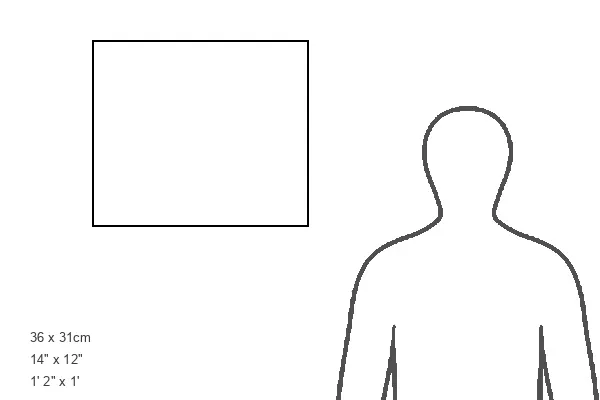
Estimated Product Size is 36cm x 31cm (14.2" x 12.2")