Framed Prints
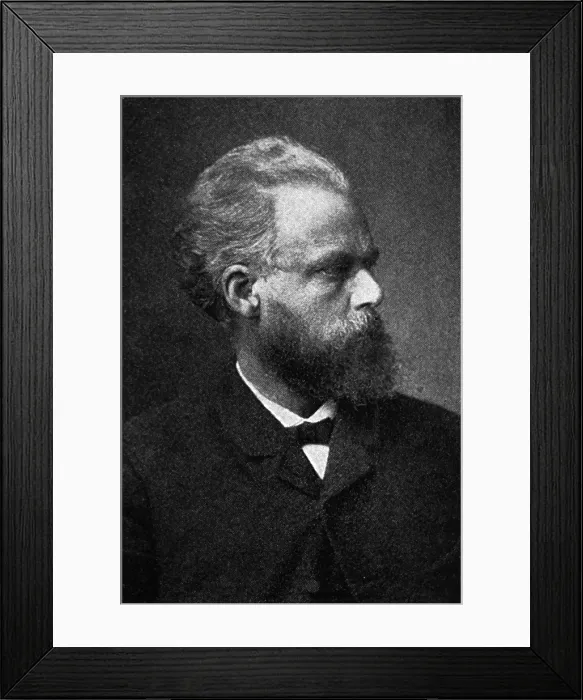
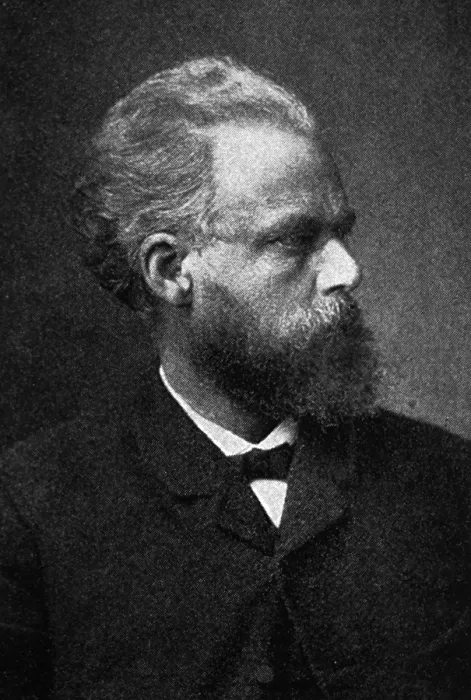
Framed Print of August Weismann, German Evolutionary Biologist
Friedrich Leopold August Weismann (1834-1914) was a German evolutionary biologist. Weismann worked on the embryology of sea urchin eggs, and in the course of this observed different kinds of cell division, namely equatorial division and reductional division, terms he coined. His main contribution was the germ plasm theory. He believed that in a multicellular organism inheritance only takes place by means of the germ cells (gametes such as egg cells and sperm cells). Other cells of the body (somatic cells) do not function as agents of heredity. Germ cells produce somatic cells and are not affected by anything the somatic cells learn or therefore any ability the body acquires during its life. This principle, called the Weismann barrier, states that hereditary information moves only from genes to body cells, and never in reverse. He conducted an experiment where he removed the tails of 68 white mice, repeatedly over 5 generations, and reported that no mice were born in consequence without a tail or even with a shorter tail. Weismann's ideas preceded the rediscovery of Gregor Mendel's work and were central to the Modern evolutionary synthesis (union of ideas from several biological specialties which provides a widely accepted account of evolution). He died in 1914 at the age of 80. © National Library of Medicine / Science Source
Your chosen combination is quickly and professionally made to order, our shipping page has more details
If you are not entirely happy with your items, simply return them to us within 30 days for a replacement or full refund. Please read our full returns policy.
Media ID 47344163
1834 1914 20th August Barrier Biologist Biologists Biology Bodies Body Cell Cells Division Divisions Embryology Equatorial Europe Evolutionary Friedrich Gene Genes Germ German Germany Germs Hereditary Info Information Leopold Modern Observed Ocean Oceanic Oceans Portrait Portraits Synthesis Theory Twentieth Urchin Urchins
Modern Frame 14"x12" (36x31cm)
Ready to Hang Contemporary Framed Prints adds style, protection, and a polished touch to your space - effortlessly.
Your artwork will be printed as shown in the preview. To adjust please select Edit Printed Image under the Buy button
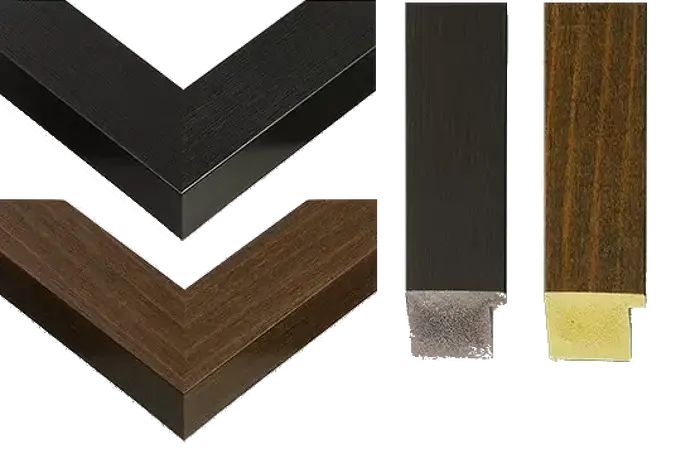
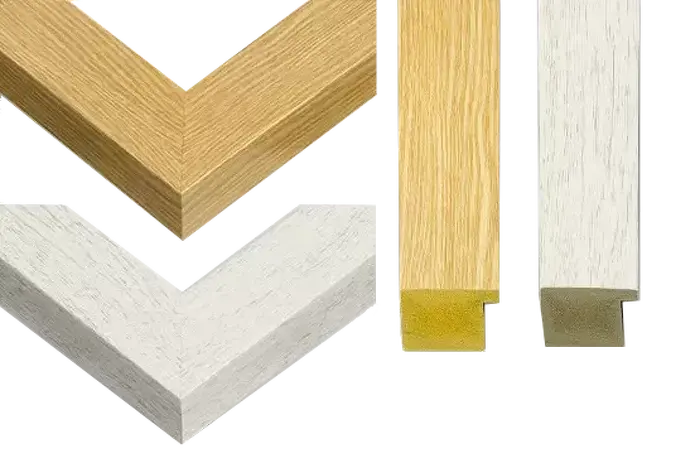
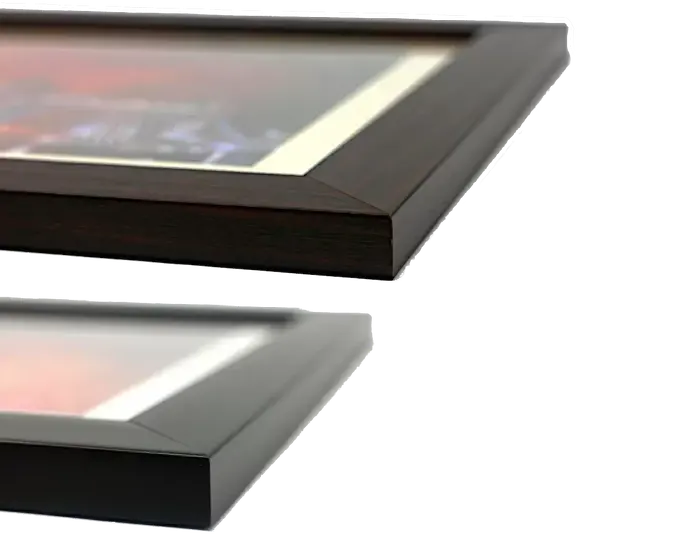
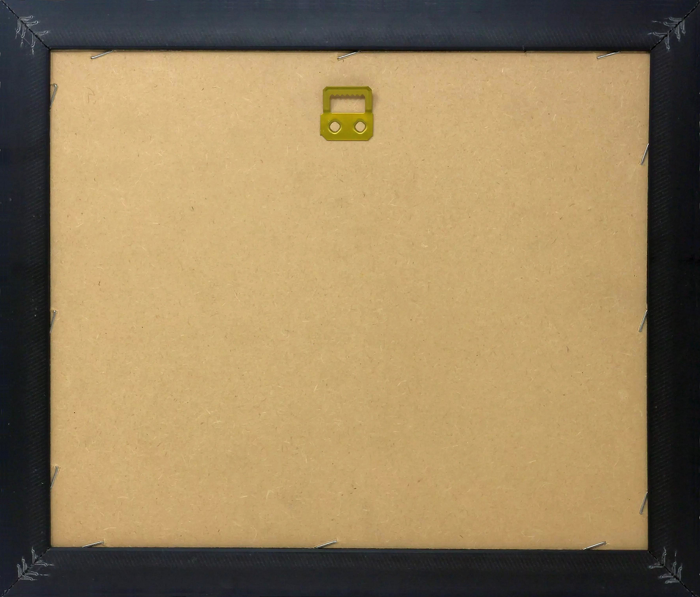
Wood effect frame, card mounted, 10x8 fade resistant photo print. Overall outside dimensions 14x12 inches (36x31cm). Environmentally and ozone friendly, 40mm wide x 15mm Polycore® moulding has the look of real wood, is durable and light and easy to hang. Biodegradable and made with non-chlorinated gases (no toxic fumes) it is efficient; producing 100 tons of polystyrene can save 300 tons of trees! Prints are glazed with lightweight, shatterproof, optical clarity acrylic (providing the same general protection from the environment as glass). The back is stapled hardboard with a sawtooth hanger attached. Note: measurements provided are estimated outer dimensions, which include both the image and the frame. While we aim to keep sizing consistent, exact dimensions may vary slightly due to differences in print size or production requirements, which may result in a variation in the overall size (up to approximately 2.5cm (1"))
These are individually made so all sizes are approximate
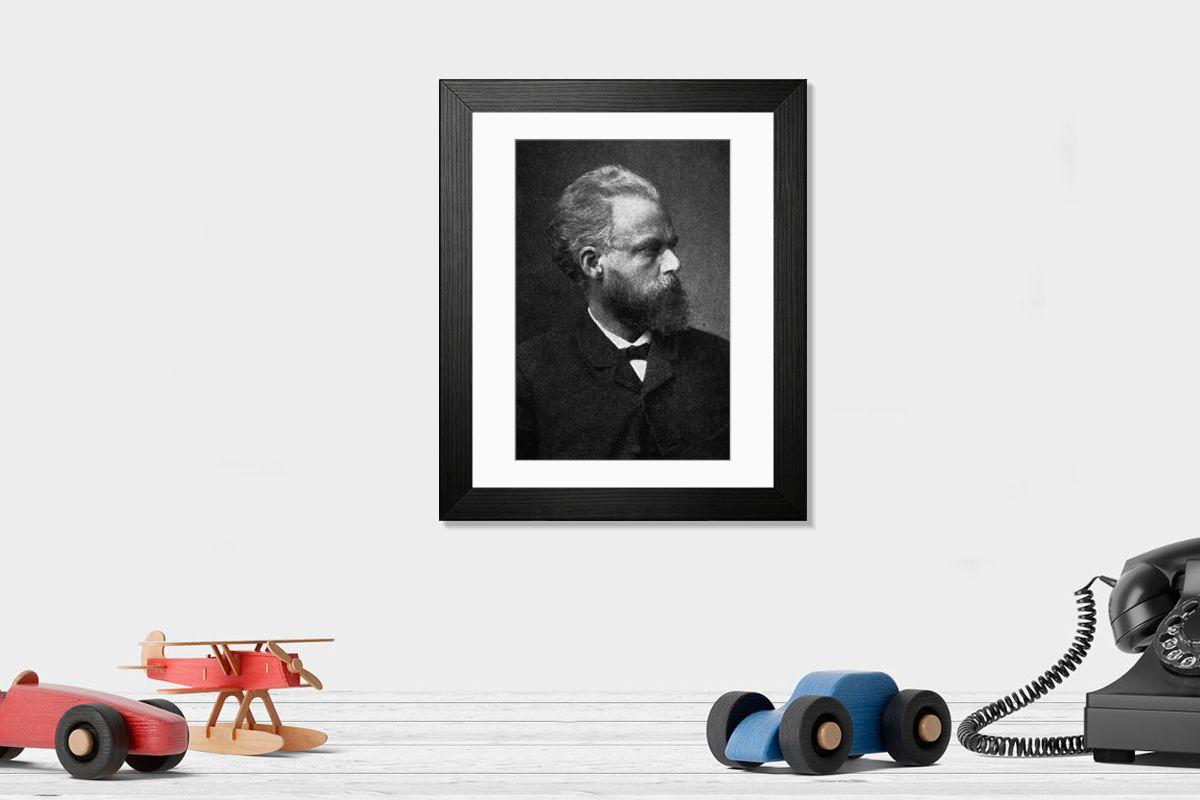
Estimated Image Size (if not cropped) is 16.4cm x 24.4cm (6.5" x 9.6")
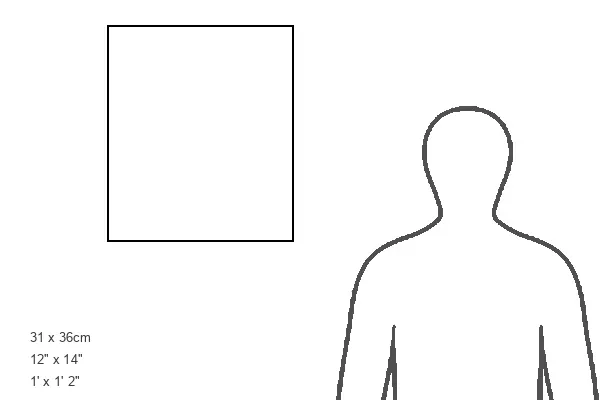
Estimated Product Size is 31cm x 36cm (12.2" x 14.2")